Key takeaways
- A flat, dry, solid subfloor is the foundation of every good floor.
- Moisture tests on slabs and wood prevent cupping and failure.
- Squeaks, bounce and soft spots are signs of subfloor problems.
- Preparing the base is often the best use of a flooring budget.
Why the base matters
Every floor sits on something. If that surface is wavy, wet or loose, the new floor will show it. Tile cracks, plank locks fail, hardwood cups and squeaks come back.
A good installer treats the subfloor as part of the job, not an afterthought.
Flatness
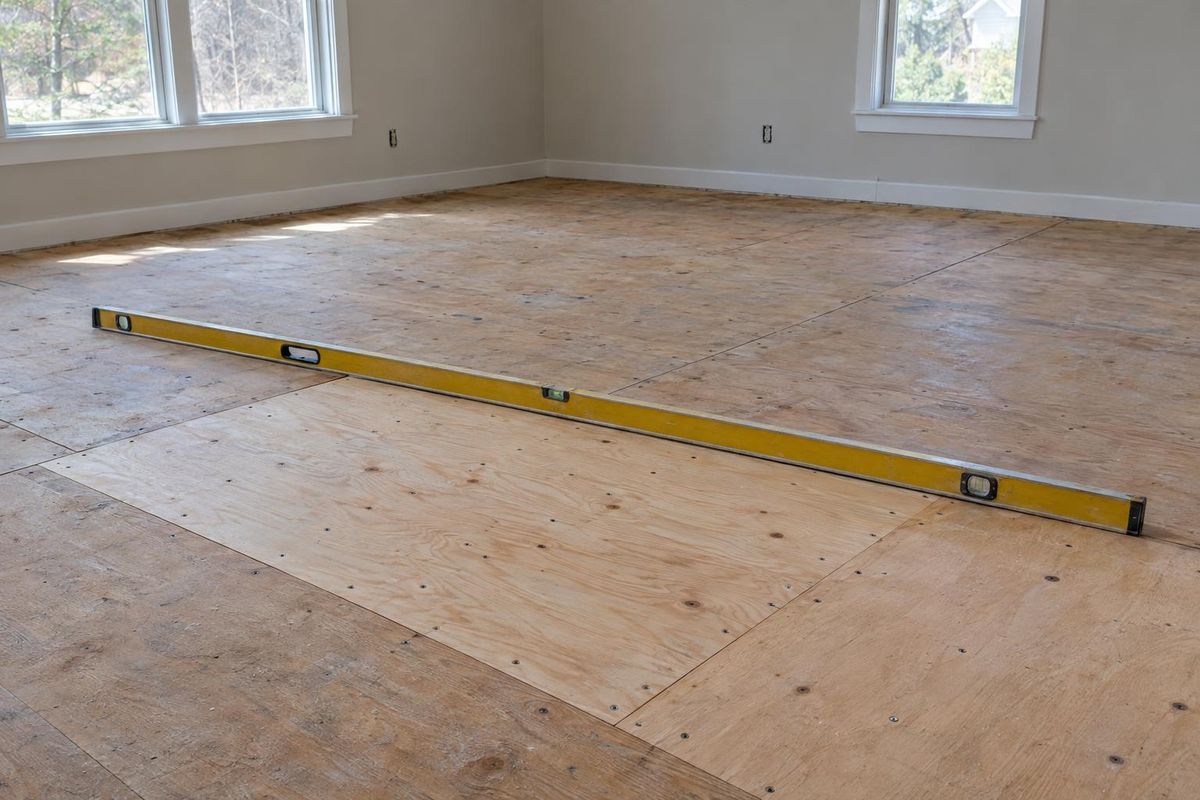
Most products ask for a variation of no more than about a quarter inch over ten feet. Use a long straightedge to check. High spots can be ground or planed; low spots can be filled with leveling compound.
Large tile and rigid plank are the least forgiving.
Moisture
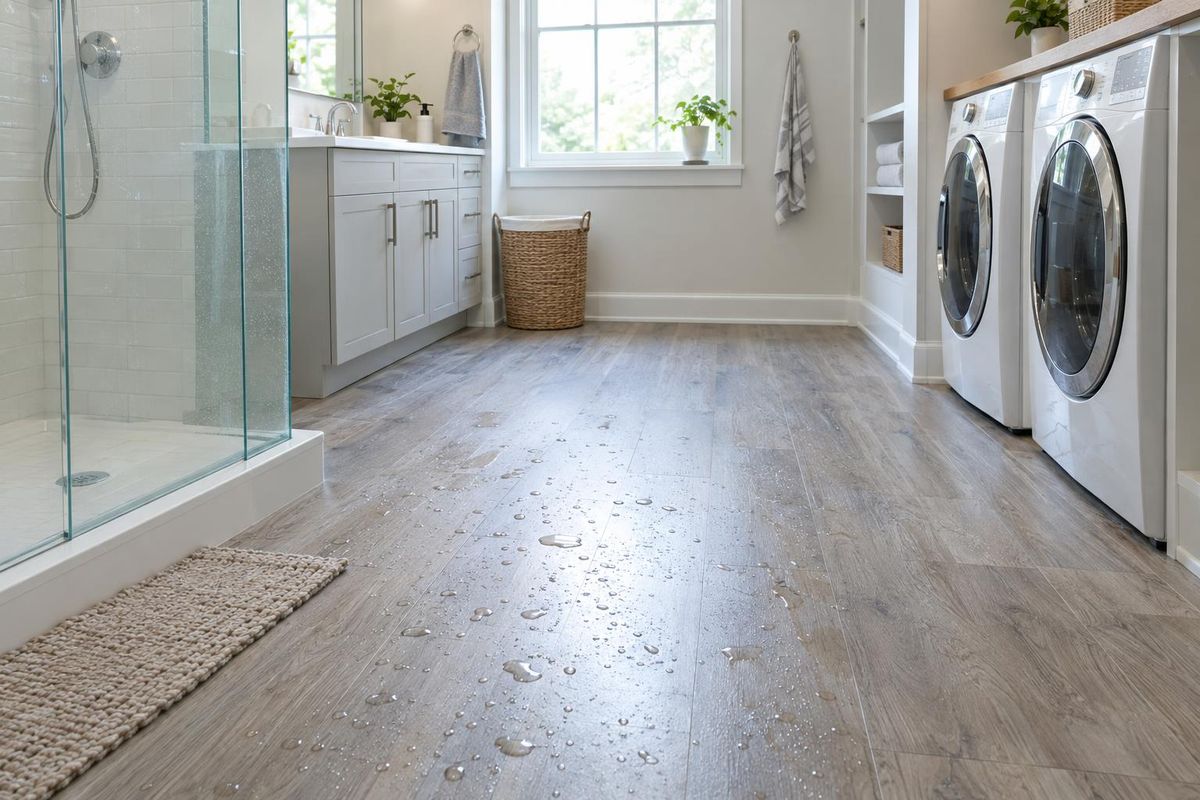
Concrete is tested for moisture vapor and relative humidity. Wood subfloors are checked with a moisture meter, and wood flooring should match the subfloor moisture within a set range.
Persistent moisture needs a source fix and often a barrier.
Structure
Bounce, squeaks and soft spots may mean loose fasteners, damaged sheathing or joist problems. These are repaired before flooring goes down.
Ask your installer what they check and how they will fix problems they find.
Quick answers
Can new flooring go over old flooring?
Sometimes, if the old floor is flat, solid and dry and the new product allows it. Often removing the old floor is better.
How do I test my slab for moisture?
Professionals use calcium chloride or in-slab humidity tests. A plastic sheet taped to the floor is only a rough hint.