Key takeaways
- Species affects color, grain and hardness.
- Wider planks show more grain and fewer seams.
- Finish choice changes sheen, durability and upkeep.
- Stain can change the look, but grain stays the same.
Common species
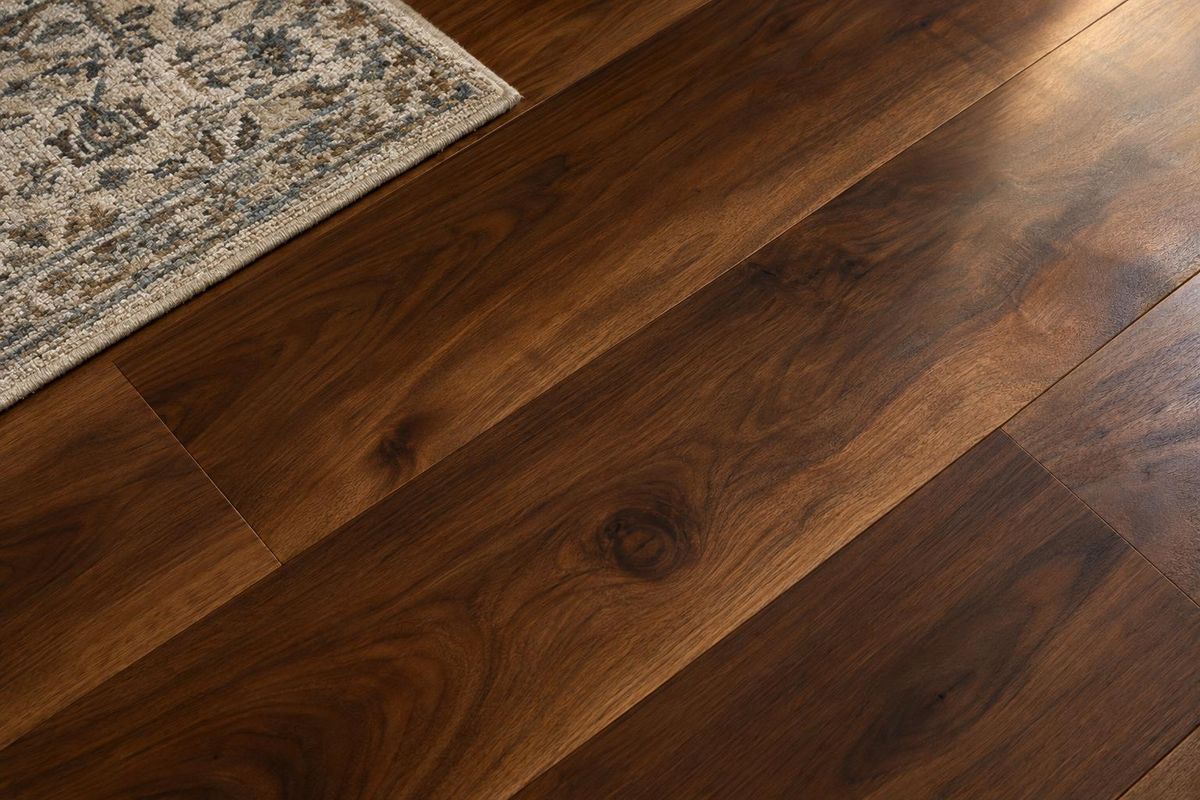
Red and white oak are the most popular: strong, widely available and easy to stain. Hard maple is very hard with a smooth, light grain. Hickory is among the hardest with dramatic color variation. Walnut is rich, darker and softer.
A harder species resists dents but can still scratch, so finish and care matter as much as hardness.
Plank widths
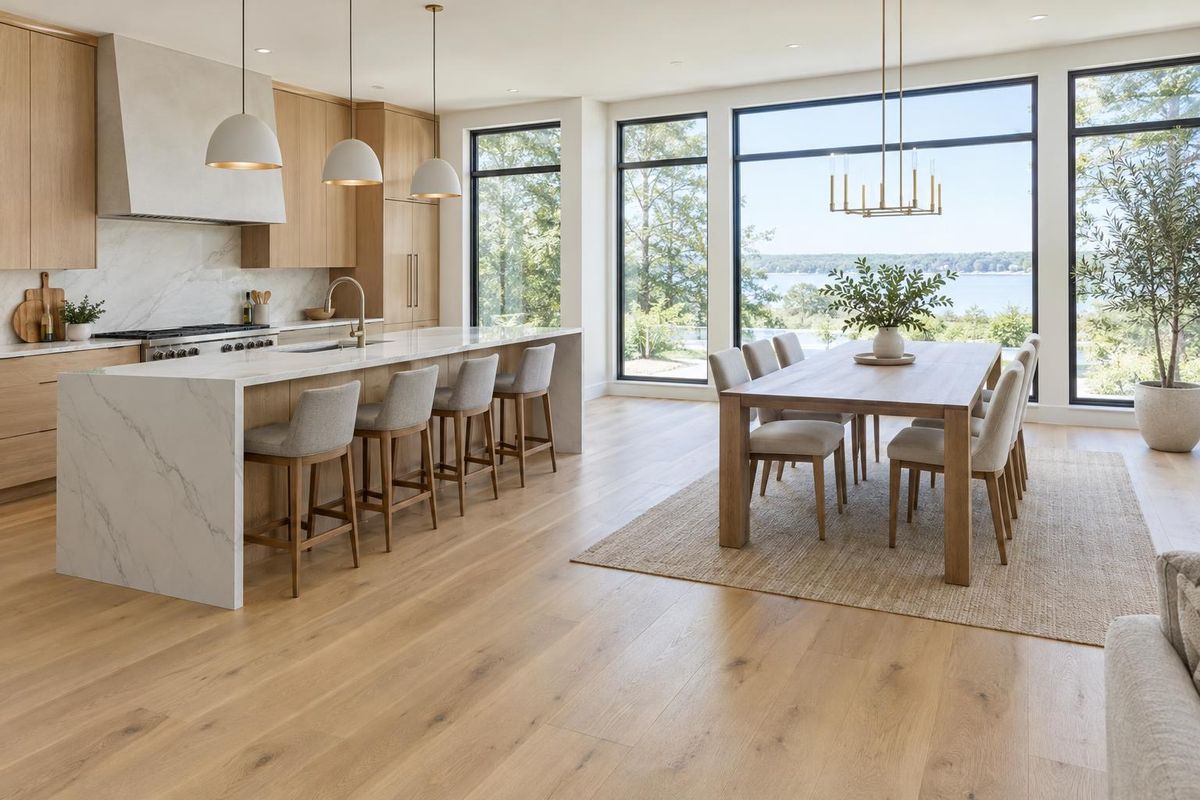
Narrow strips give a classic look. Wider planks give an open, modern or farmhouse feel and show more grain. Mixed widths bring a rustic look.
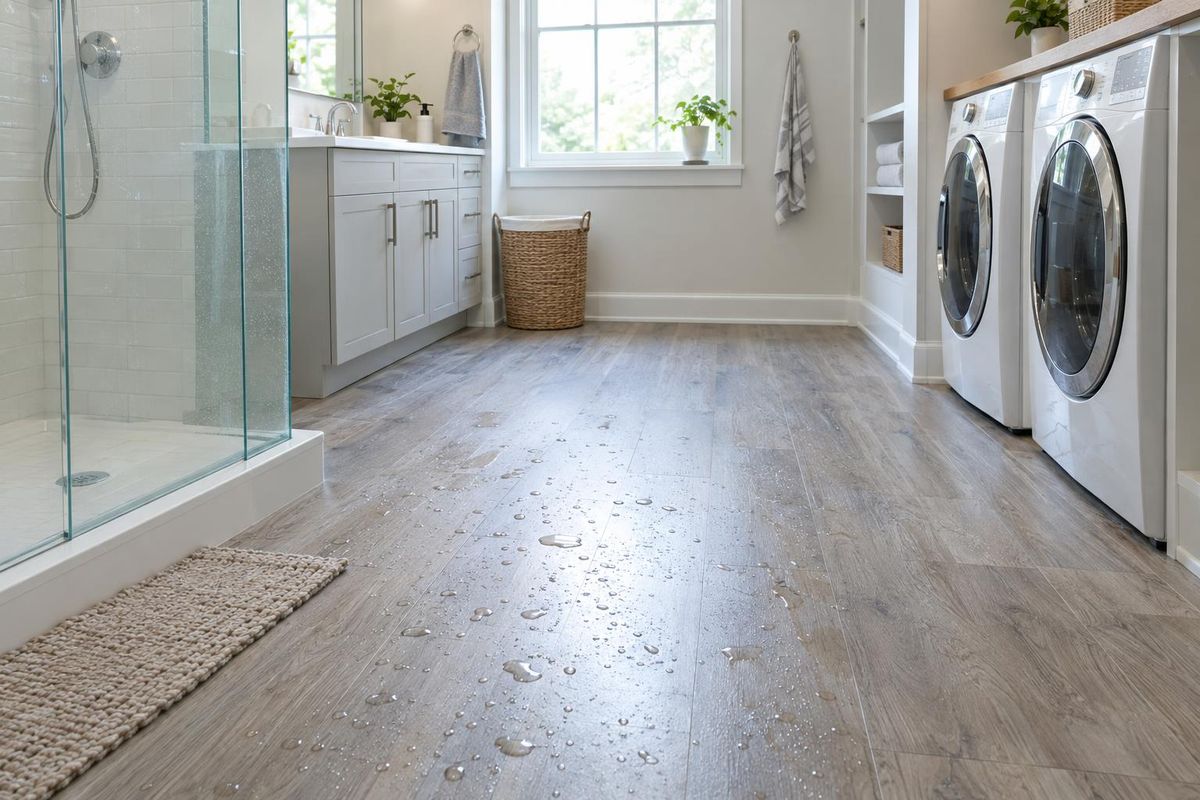
Wider planks need more moisture control, so many are engineered.
Finishes
Water-based finishes dry quickly, stay clear and have low odor. Oil-based finishes deepen color and are very durable. Hardwax oils give a natural, matte look that can be spot repaired.
Matte and satin finishes hide scratches better than gloss.
Texture and color
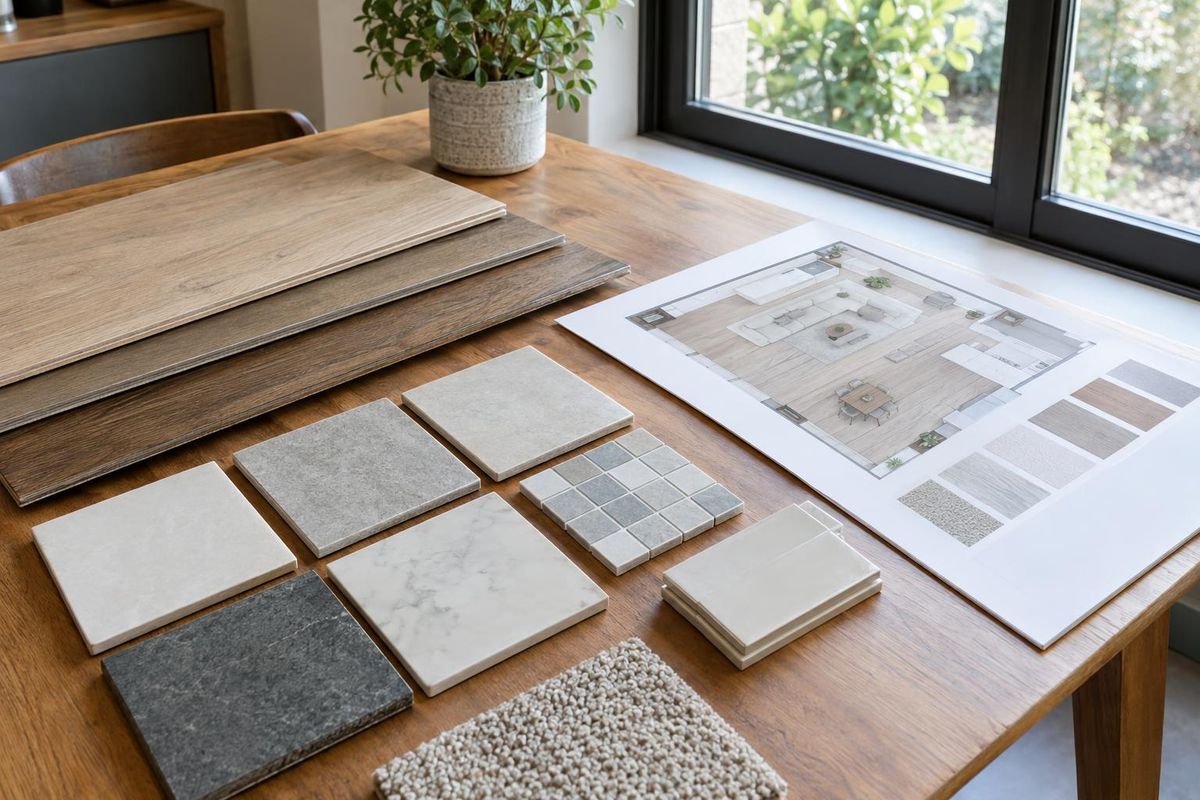
Smooth, wire-brushed and hand-scraped textures change how the floor looks and feels. Light stains and natural looks have been popular, along with warm mid-tones.
Always test stain on your own wood, because it will look different from the sample.
Quick answers
Which hardwood is best for high traffic?
Hickory, hard maple and white oak are popular for busy homes.
Is a matte finish easier to live with?
Yes. Matte and satin finishes tend to hide dust and scratches better than gloss.